Monday, May 28, 2007

மன்னுபுகழ் - 7

ஆலின் இலைப் பாலகனாய் அன்றுலகம் உண்டவனே!
வாலியை கொன்று அரசு இளைய வானரத்துக்கு அளித்தவனே!
காலின் மணி கரையலைக்கும் கணபுரத்தென் கருமணியே!
ஆலிநகர்க்கதிபதியே! அயோத்திமனே! தாலேலோ!


Meaning
The One who ate the world as a boy on the Peepal leaf
The One who killed Vaali and gave the kingdom to the younger monkey
The black gem of Kannapuram, whose feet is touched (washed) by the sea shore
Oh King of Aali (Thiruvaali), the One of Ayodhya, may you sleep

ஆலின் இலைமேல் சிறு பாலகனாய் உருக்கொண்டு பிரளயக் காலத்தில் உலகமெல்லாம் உண்டவனே! வாலியைக் கொன்று கிஷ்கிந்தை அரசை இளைய வானரமாம் சுக்ரீவனுக்குக் கொடுத்தவனே! தென்றல் காற்று (காலின் மணி) நதியின் கரையின் மேல் அலை அடிக்கும் படி செய்யும் திருக்கண்ணபுரத்தில் வாழும் என் கருமாணிக்கமே! ஆலி நகருக்கு அதிபதியே! அயோத்தி மன்னனே! தாலேலோ!

It was a little diffcult to understand the third line 'Kaalin mani, karai alaikkum'. Here, I had to assume that alai means to beat, slap (or touch - more gentle) instead of the normal interpretation as a wave. If people can throw any more light on this, it would be great

Events covered from the Ramayana
Rama killing Vaali and making Sugriva king

After Sita was abducted by Ravana, Rama searches for her and in the process befriends Sugriva. Rama agrees to kill Vaali, after being convinced of his sins. This incident is still considered to be a controversial one where people argue the merits and demerits of the act of Rama killing Vaali unseen by Vaali. But ultimately, Vaali to whom this matters most, sees reason and accepts Rama's action. And he dies peacefully.

A verse from the Kamba Ramayanam is very relevant here. This verse is when Vaali, suprised that he has been struck by an arrow, looks at it:

Mummai saal ulagukku elaam moola manthiraththai murrum
Thammaiye thamarkku nalgum thani perum padaththaith thaane
Immaiye ezhumai noikku marunthinai raama ennum
Semmai ser naamam thannaik kangalil theriyak kandaan.

Meaning: The naamam, which is the manthram forming the basis of all the three worlds. For one who utters, meditates, contemplates on that naamam, that naamam begets the owner (Rama) himself of that naamam to such a devotee. The naamam is so unique. That
naamam can singularly destroy all the sins of the seven births, like the medicine which eradicates the route cause of sickness to this body. Such a special divya [divine] naamam is seen by vaali.

When the arrow bearing such a name hit Vaali, immediately all his sins were destroyed and he was ready to reach the supreme abode of Bhagavan. This is probably Rama's kindest act of mercy, to an erring soul

மன்னுபுகழ் - 6

சுற்றம் எல்லாம் பின் தொடரத் தொல் கானம் அடைந்தவனே!
அற்றவர்கட்கு அருமருந்தே! அயோத்தி நகர்க்கு அதிபதியே!
கற்றவர்கள் தாம் வாழும் கணபுரத்தென் கருமணியே!
சிற்றவை தன் சொல்கொண்ட சீராமா! தாலேலோ!


Meaning

Oh Sri Rama, who went to the forest with everybody around you following you
The One who is the great medicine to all those without (the have nots), and the king of Ayodhya
The black gem of Kannapuram, which is full of learned people
The One who followed the word of the younger mother (aunt - Kaikeyi), may you sleep

சுற்றம் (ஊரார் உறவினர்) எல்லாம் பின் தொடர்ந்து வர தொன்மையான காட்டை அடைந்தவனே! வேறு கதி அற்றவர்களுக்கு அரிய மருந்து போன்றவனே (எல்லாம் தரும் அமுதம் போன்றவனே)! அயோத்தி நகருக்கு உரிமையானவனே! கற்றவர்கள் என்றும் வாழும் திருக்கண்ணபுரத்தில் வாழும் என் கருமாணிக்கமே! சிற்றன்னையாம் கைகேயியின் கட்டளையைத் தலை மேல் கொண்ட சீராமா! தாலேலோ!

Events covered from the Ramayana
Rama going to the forest with the people of Ayodhya following him.

Here the aazhwar recounts the popularity that Rama had among the people of Ayodhya. Indeed when Dasaratha thought of making Rama the crown prince, he consulted these very same people and they spoke in immense favor of Rama, that it unsettled even Dasaratha a bit. Was he, Dasaratha not a good ruler because of which these people wanted to see Rama crowned soon? No, it was Rama's spotless character, his mastery of the shastra and shaastra, and his compassionate nature. Yes, he was verily the medicine to the people afflicted by the sores of the samsara.

Also, the aazhwar says that Rama went to the forest to fulfill the words of his aunt. An incident from the Ramayana to support this. Kaikeyi after a night long discussion with Dasaratha, sent word for Rama, to come to meet his father. When Rama enters Kaikeyi's chamber, Kaiykeyi says:

Kaiykeyi - 'Your father has decided that Bharatha will be the crown prince. You will also need to go to the forest for fourteen years'

Rama was at once overjoyed and sad. Happy because he learnt that his dear brother Bharatha was going to be king. Sad that his aunt had told that these were orders of his father. Looking at his father's state he knew what the real situation was.

Rama thinks : 'Dear aunt Kaiykeyi, I would gladly go to the forest even if it were your own words'

Such was Rama's nature

மன்னுபுகழ் - 5

பாராளும் படர் செல்வம் பரத நம்பிக்கே அருளி
ஆரா அன்பு இளையவனோடு அருங்கானம் அடைந்தவனே!
சீராளும் வரை மார்பா! திருக்கண்ணபுரத்தரசே!
தாராளும் நீண்முடி என் தாசரதீ! தாலேலோ!


Meaning
Oh Daasarathi (son of Dasaratha), the One who gave his kingdom and all his wealth to your brother Bharatha
And attained the forest along with your younger brother who had limitless affection to you
Oh broad chested One, the ruler of Thirukannapuram
The King who rules the Horizon, may you sleep (in the last line, mudi can refer to the Crown or to the hair (neel mudi = long hair))

நாட்டை ஆளும் உரிமையையும் அதோடு பெரும் செல்வத்தையும் பரத நம்பிக்கே அருளி தீராத அன்பு கொண்ட இளைய பெருமாள் இலக்குவனோடு அரிய காட்டை அடைந்தவனே! அழகை ஆளும் மலை போன்ற மார்பினை உடையவனே! திருக்கண்ணபுரத்தரசே! தார் (மாலை) அணிந்த நீண்ட திருமுடியை பூண்ட என் தசரதன் மகனே! தாலேலோ!

Events covered from the Ramayana
Rama giving up the throne to Bharatha and going to the forest

Here the aazhwar talks of both Bharatha and Lakshmana. Bharatha is referred to as Nambi. Nambi also means one who is complete with good qualities. The aazhwar absolves Bharatha of all accusations that may come to rest on him - that he coveted the throne etc.

The aazhwar also refers to Lakshmana is ilaiyavan, or the younger brother. In Sanskrit the equivalent is - anuja

Is the aazhwaar giving a hint of things to come in the future - that of Swami Ramanuja's life and his great affection to Periya Perumal? Swami Ramanuja had many names, of which one was Ilaiyazhwan or Ilaya Perumal

மன்னுபுகழ்- 4

தாமரை மேல் அயன் அவனைப் படைத்தவனே! தசரதன் தன்
மாமதலாய்! மைதிலி தன் மணவாளா! வண்டினங்கள்
காமரங்கள் இசை பாடும் கணபுரத்தென் கருமணியே!
ஏமருவும் சிலை வலவா! இராகவனே! தாலேலோ!


Meaning
Oh Raghava, the One who created Lord Brahma on the lotus flower
The child of Dasaratha and the One who married Mythili
The black gem which resides in Kannapuram, where bees and birds sing songs
One who is well accomlished in wielding the bow, may you sleep

தாமரை மேல் நான்முகப் பிரமனைப் படைத்தவனே! தசரதனின் பெருமை மிக்க குழந்தையே! மிதிலை இளவரசியின் மணவாளனே! வண்டு கூட்டங்கள் பூக்களில் மது உண்டு இசை பாடும் திருக்கண்ணபுரத்தில் வாழும் என் கருமாணிக்கமே! வலக்கையில் மிகப் பெரிய வில்லினை ஏந்தியவா! இராகவனே! தாலேலோ!

Event covered from the Ramayana
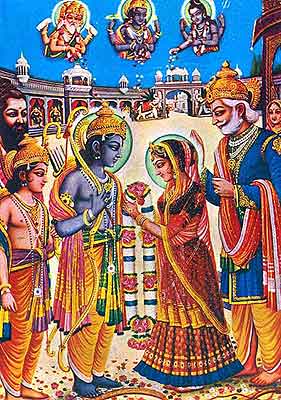
Rama's marriage to Sita and her becoming the daugther-in-law of Dasaratha

We have already covered this event in the previous paasuram, so why did the aazhwar repeat it in this paasuram? Adiyen can only hazard a guess.

Rama in the Ramayana has so far been just Rama, but the moment he married Sita, he became Sri Rama. This Srimathvam to Bhagavan Himself added an extra lustre to the already glowing Bhagavan. For a Sri Vaishnava, this piratti sambandam is essential, and hence the stress by aazhwar on this particular incident.

மன்னுபுகழ் - 3

கொங்கு மலி கருங்குழலாள் கோசலை தன் குலமதலாய்!
தங்கு பெரும் புகழ்ச் சனகன் திருமருகா! தாசரதீ!
கங்கையிலும் தீர்த்த மலி கணபுரத்தென் கருமணியே!
எங்கள் குலத்தின்னமுதே! இராகவனே! தாலேலோ!


Meaning
Oh Raghava, the one born as the star in the race of Kausalya
Oh Daasarathi, the son-in-law of the famous Janaka
The black gem of Kannapuram, where there are waters purer than the Ganga
The nectar of our race, may you sleep

தேனும் மகரந்தங்களூம் நிறைந்த பூக்களைச் சூடியதால் அவை நிறைந்த கருங்குழலை உடைய கோசலையின் குலத்தில் உதித்த குழந்தையே! என்றும் தங்கும் பெரும் புகழ் கொண்ட சனகனின் மருமகனே! தசரதனின் மகனே தாசரதீ! கங்கையை விட புனித மிக்க தீர்த்தங்கள் நிறைந்த திருக்கண்ணபுரத்தில் வாழும் என் கருமாணிக்கமே! எங்கள் குலத்தின் இன்னமுதே! இராகவனே! தாலேலோ!

Event covered from the Ramayana
Rama's marriage to Sita and becoming the son-in-law of Janaka

How come the aazhwar describes Rama as a descendant of the race of Kousalya rather than Dasaratha, since people generally talk about race in context of the father rather than the mother?

Here the aazhwar probably takes cue from Vishwamitra, who sang the following famous verse to wake up Rama

'Kousalya supraja Rama poorva sandhya...' referring to Rama as the son of Kousalya rather than Dasaratha. Rasikaas have this explanation to offer for Vishwamitra's reference - Kousalya probably made the greatest sacrifice in sending Rama along with Vishwamitra for protecting the sacrifice. What is the status of others here?

Dasaratha - Though he sent Rama and Lakshmana with Vishwamitra, he still had Bharatha and Shatrugna with him. So his sacrifice is not so great

Kaikeyi - Did not send her son Bharatha at all, so no sacrifice here

Sumithra - Sent Lakshmana but still had Shatrugna with her

Kousalya - She sent her only son Rama, the adorable one, the darling of all with Vishwamitra on a mission fraught with danger. Her sacrifice was probably the best. And it is only befitting that Rama is addressed as Kousalya's son.

This situation is about to repeat itself, when she will do the sacrifice once again to send her only son to the forest, to uphold his father's promise.

மன்னுபுகழ் - 2

புண்டரிக மலர் அதன் மேல் புவனியெல்லாம் படைத்தவனே!
திண் திறலாள் தாடகை தன் உரம் உருவச் சிலை வளைத்தாய்!
கண்டவர் தம் மனம் வழங்கும் கணபுரத்தென் கருமணியே!
எண் திசையும் ஆளுடையாய்! இராகவனே! தாலேலோ!


Meaning
Oh Raghava, you who created the whole universe on a lotus flower
One who used the bow and killed Thaataka of strong capability
The black gem which resides in Kannapuram, on seeing you, the people surrender their minds
One who is the ruler in all directions, thaalelo

தாமரை மலர் மேல் அமர்ந்து இந்த உலகை எல்லாம் பிரமன் உருவில் படைத்தவனே! மிகுந்த வலிமை கொண்ட தாடகையின் வலிமை எல்லாம் அழியும் படி வில்லை வளைத்தவனே! உன்னைப் பார்த்தவர் எல்லாம் தங்கள் மனத்தை உன்னிடம் வழங்கும் படி பேரழகுடைய, திருக்கண்ணபுரத்தில் வாழும் என் கருமாணிக்கமே! எட்டு திசைகளையும் ஆளும் வல்லமையுடையாய்! இராகவனே! தாலேலோ!

Event covered from the Ramayana
Rama's killing of Thaataka

Now to the link about three things that we have seen in the above paasuram

Rama-Bow-Thirukannapuram

Even to this day, it is a delectable sight to see the Sowriraaja perumal at Thirukannapuram adorning the Saarngam vil (bow). As we have already seen, aazhwar has described the thirukannapuram divya desam as one surrounded by high walls. Once upon a time, a king decided to raze down this divya desam and sent his army which began to destroy the walls. When this was happening, an arayar swami came rushing to Sowri perumal and started singing azhwaar's paasurams in order to make Bhagavan stop the army's destruction.

When perumal, true to his archa form did not respond, the arayar got angry and said the following words to Bhagavan:

'Hey Bhagavan, the aazhwars have all sung about you and said that you are holding the bow to protect the world. Is that all false? Are you holding a toy bow? Can you not protect your own divya desam?'

Saying this the arayar threw his vaadyam (hand held drum) at the perumal. This drum hit perumal's thirumugaamandalam and created a vadu (mark - impression) just above His eye. With this, Bhagavan decided to abandon his archa samaanyam (vow that the archa form shall not talk or act) and sent a rain of arrows at the army and sent them packing

Even to this day, Bhagavathas who have the good fortune of laying their eyes on Sowri perumal's divya mangala thirumeni can notice the mark made by the drum.

மன்னுபுகழ் - 1

This set of 10 paasurams in the thalaattu of Kulasekhara aazhwar is special since it is a mother's paasuram. But here aazhwar becomes the mother of Bhagavan himself, as Kausalya was to Sri Rama. This set of ten pasurams sounds beautiful, whether it is recited in the santhai fashion or when it is set to tune (usually Nilambari raagam) and sung as a song. Irrespective of male or female, one would yearn like the aazhwar to beget the Lord as a baby on one's lap to sing this to Him.


மன்னுபுகழ் கோசலை தன் மணிவயிறு வாய்த்தவனே!
தென்னிலங்கை கோன் முடிகள் சிந்துவித்தாய்! செம்பொன் சேர்
கன்னி நன் மா மதில் புடை சூழ் கணபுரத்தென் கருமணியே!
என்னுடைய இன்னமுதே! இராகவனே! தாலேலோ!

Meaning:
Oh Raghava, born in the gem like womb of Kousalya.
One who defeated the king of lanka in the south.
One who is the black gem which resides in Kannapuram (Thiru kannapuram) surounded by high walls
Oh my Amude (nectar), thaalelo (may you sleep)

நிலைத்த புகழைக் கொண்ட கோசலையின் பெருமை மிக்க வயிற்றில் வாய்த்தவனே! தென்னிலங்கை அரசனின் மகுடங்கள் தரையில் சிந்தும் படி செய்தவனே! செம்பொன்னால் அமைக்கப்பட்டு யாராலும் (எந்தப் பகைவராலும்) தொடப்படாத கன்னிநன்மா மதில் சூழ்ந்த திருக்கண்ணபுரத்தில் வாழும் என் கரிய மாணிக்கமே! என்னுடைய இனிய அமுதமே! இராகவனே! தாலேலோ!

Bhagavan is indeed the karu mani (black gem). Bhagavathas who have had the good fortune of seeing the thirumnajanam of the aathu perumal (Saalagamaam) or any other Saalagraama thirumeni of Perumal, where the pure white milk flows gently over the kariyaa thirumeni of perumal will agree - that he is indeed the karu mani

In this paasuram, aazhwar has covered two siginifcant events in the Ramayana
1. Rama's birth
2. Rama's victory over Ravana

Throughout this decad, aazhwar sees Rama in lord of Thirukannapuram. In further posts, we will also try to enjoy this facet of the divya desam